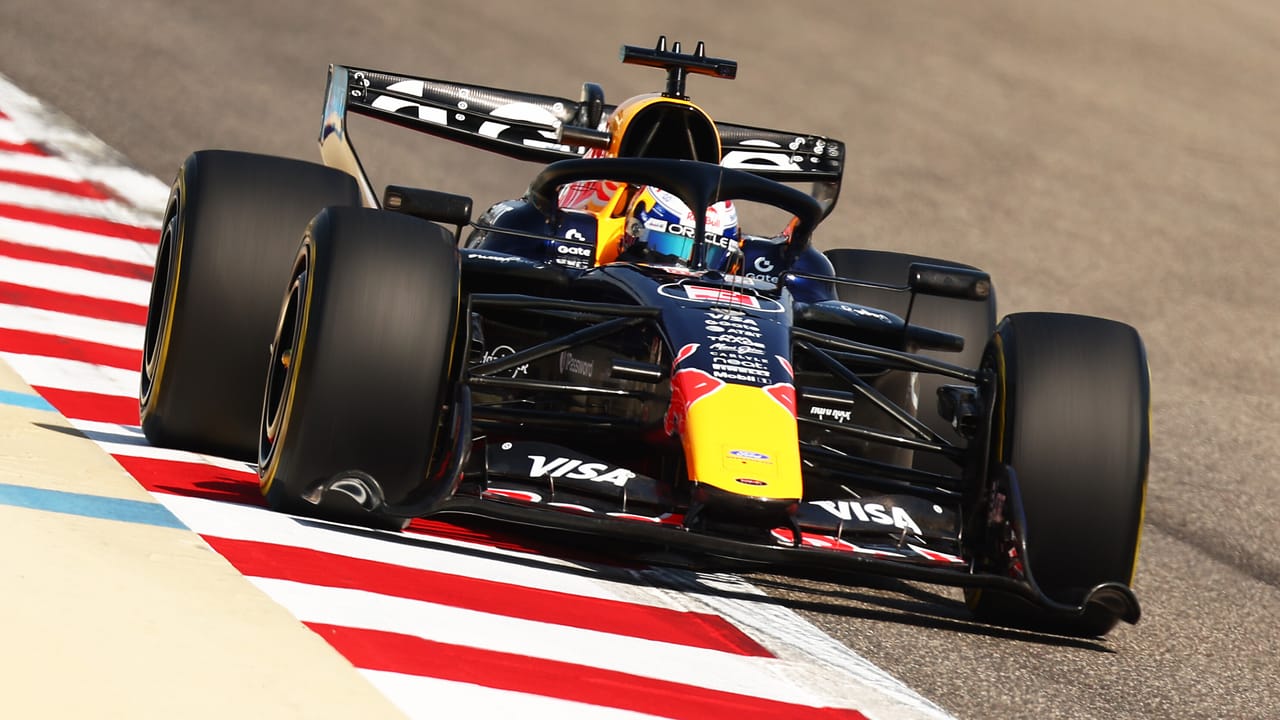
Formula One, often regarded as the pinnacle of motorsport, has long been celebrated for its speed, technology, and competitive spirit. However, in recent years, questions have arisen about its relevance and purpose in the modern era.
Many critics argue that Formula One has become more about entertainment and corporate interests than pure racing. The high costs associated with teams and the dominance of a few top contenders can diminish the unpredictability that once made the sport exciting. Additionally, the environmental impact of such high-performance racing has come under scrutiny, prompting discussions about sustainability and future directions.
Despite these concerns, Formula One continues to attract a global audience, thanks to its rich history, technological innovation, and the charisma of its drivers. The sport has evolved, incorporating hybrid engines and implementing new regulations aimed at improving safety and reducing emissions. These efforts reflect a broader attempt to balance tradition with modern values.
From a cultural perspective, Formula One serves as a platform for national pride, technological advancement, and entertainment. Countries hosting Grand Prix events see significant economic benefits, and the sport's technological developments often trickle down to consumer vehicles, influencing everyday driving experiences.
Ultimately, the purpose of Formula One may vary depending on perspective. For some, it is about pushing the boundaries of engineering and human skill. For others, it is about entertainment and spectacle. As the sport continues to evolve, its core question remains: what is its true point in the context of a changing world?
In conclusion, while Formula One faces challenges related to sustainability, competitiveness, and relevance, it persists as a symbol of innovation and excitement in motorsport. Its future will likely depend on how well it can adapt to societal expectations while maintaining the thrill that has captivated fans for generations.